Every garage door reaches a point where the next repair is throwing good money after bad. Here's how to tell where your door stands — and what a fair replacement decision looks like.
The question every homeowner faces
Somewhere between year 15 and year 25, most garage doors reach a decision point. A spring goes. Then a roller. Then the opener starts sounding tired. Each individual repair is cheap, but they start clustering, and it's not always obvious whether you're a spring away from years of trouble-free service or a bandaid away from a full replacement. Here's the framework we walk homeowners through on-site — the same one we'd use on our own homes.
Repair almost always wins if the problem is a single component
A snapped spring, a frayed cable, a worn roller, a bad opener capacitor, a misaligned safety sensor — these are all quick, affordable garage door repairs on a door that otherwise has years of life left. Even a bent bottom panel is usually a repair, not a replacement, because you can order and swap just that panel. If your door is under 15 years old and structurally sound, the answer is almost always fix the one thing that broke.
Replace when the door itself is compromised
The door itself — the panels, the bottom rail, the structural stiles — is the one thing you can't easily fix piecemeal. Signs the door itself is done: multiple panels rusted through at the bottom, dents across several sections from repeated impacts, warped wood on an older door, or delamination on a foam-core steel door where the panel skin is separating. When the door itself is failing, springs and openers can't save it.
The 50% rule
A useful rule of thumb: if a single repair costs more than 50% of what a comparable new door would cost installed, replacement is usually the smarter call. That threshold hits fast on custom wood doors and full-view aluminum, where a single panel replacement can run into four figures. On standard insulated steel doors, the 50% rule almost never triggers for individual repairs — it's really a rule for major overhauls.
Add up the last three years of service calls
If you've paid for a spring, a cable, an opener repair, and a couple of roller replacements over the last three years, and you're facing another repair now, that's your signal. You've likely spent 40–60% of a new door already. A new insulated door with a fresh opener would be warrantied for years and would probably reduce your utility bills — which brings us to the next point.
Insulation and energy costs
Older garage doors — especially single-layer steel or wood — are essentially uninsulated. If your garage is attached, you're paying to heat and cool the space above and beside it (which usually includes bedrooms). A modern insulated door with an R-value of 12 or higher, combined with a proper bottom seal, can noticeably reduce those utility bills. If your garage doubles as a workshop, gym, or home office, the comfort difference is dramatic. This is where garage door replacement often pays for itself.
Curb appeal and home value
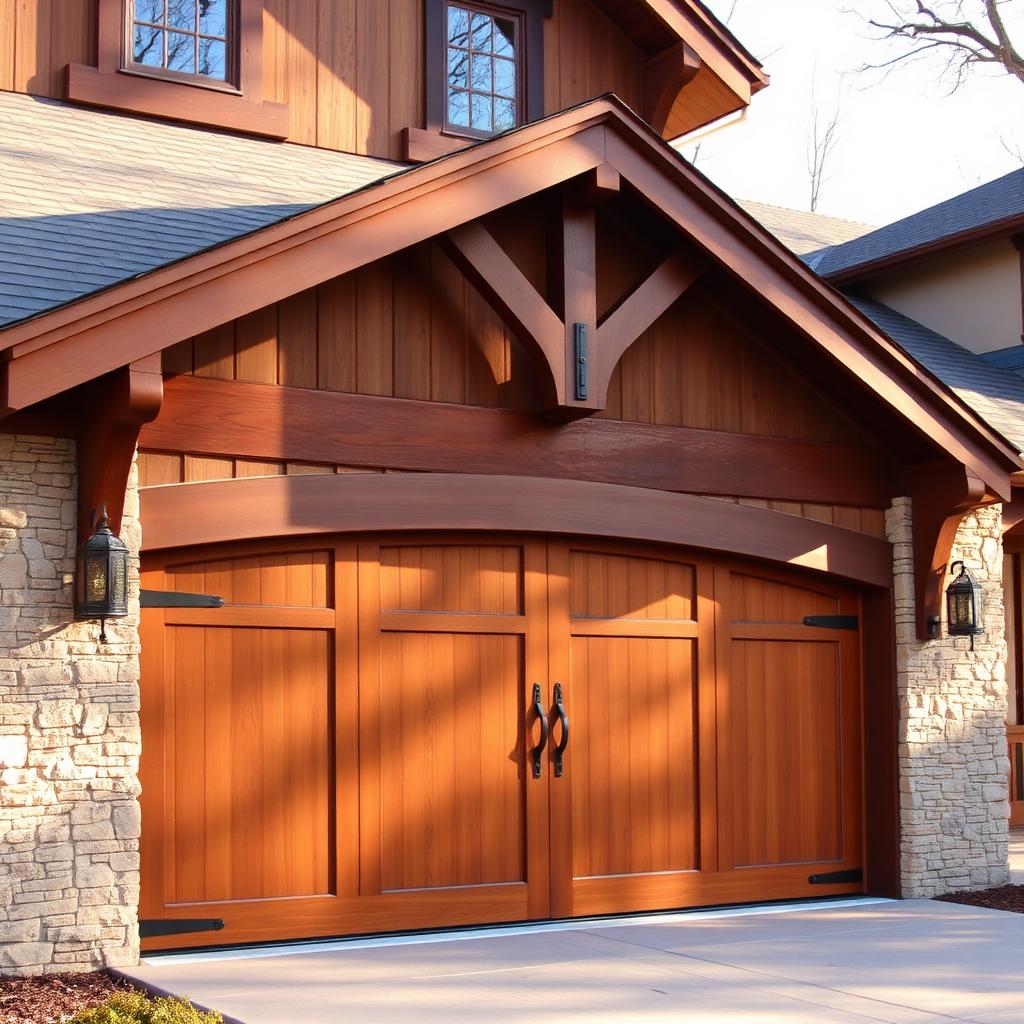
A garage door is one of the biggest surfaces on the front of most homes — often 30% or more of the visible façade. Real estate studies have consistently rated garage door replacement among the top three home improvements for return on investment, often recouping 90–95% of the cost at sale. A tired, dented door drags down curb appeal in a way that no amount of landscaping fixes. If you're planning to sell within a few years and the door is looking rough, replacement is one of the easier decisions.
Safety features on newer doors and openers
Openers manufactured before 1993 don't have photo-eye safety sensors — a serious safety issue if there are kids or pets in the home. Openers from the '90s and early 2000s often lack rolling-code technology, which means a determined thief with a $30 device from the internet can open the door in seconds. Modern openers include rolling code, safety sensors, motion-triggered LED lighting, battery backup, and smart-home integration. If your opener is older than 15 years, replacing it is worth doing whether or not you replace the door.
The honest hybrid answer
Sometimes the right answer is repair the door but replace the opener, or replace the door but keep the (recent) opener. A good technician will tell you which components have life left in them and which don't, rather than pushing a full replacement when a targeted upgrade would do. That's the conversation we want to have on every quote: what makes sense for your specific door, home, and how long you plan to stay.
What a replacement day actually looks like
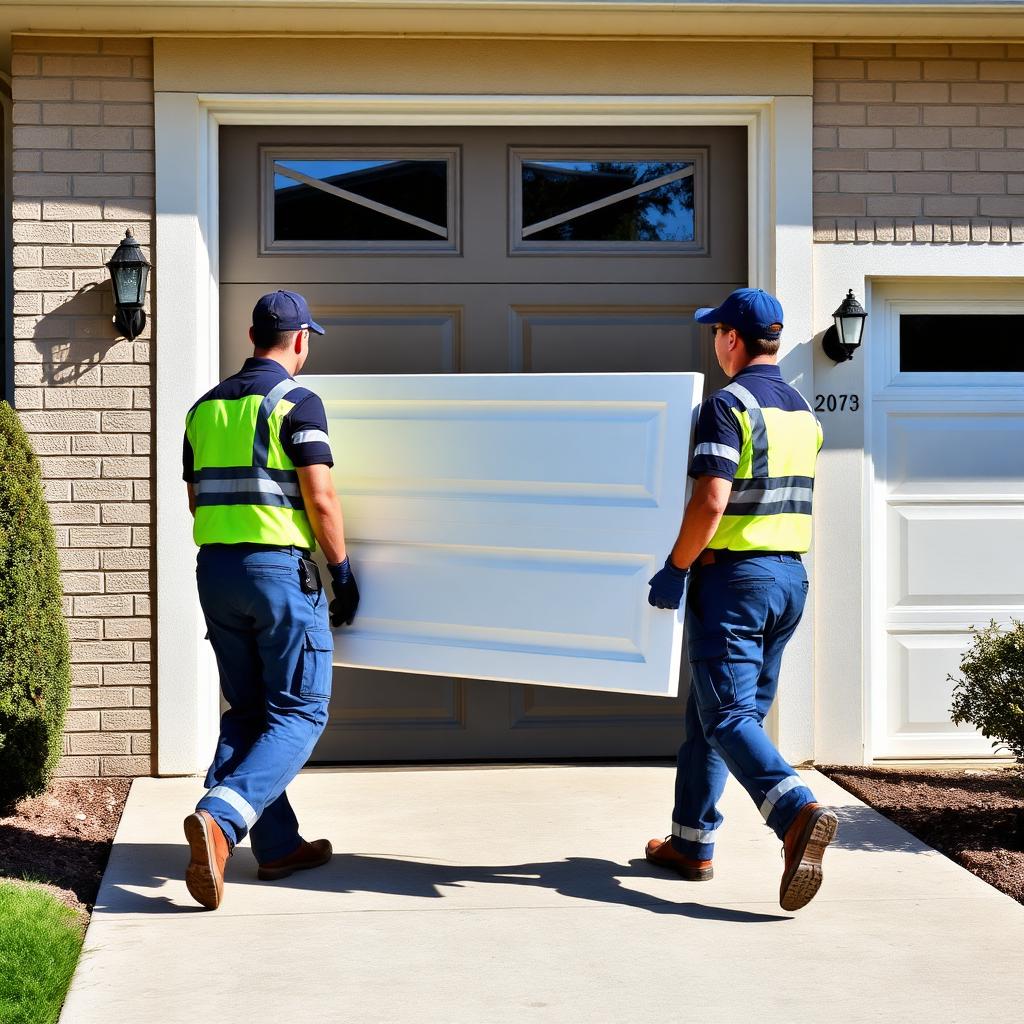
Most single-car door replacements take 3–5 hours from arrival to cleanup. Double-car doors with a new opener are a half-day to full day. We remove and dispose of your old door, install the new tracks and hardware, hang the new panels, set the springs to the exact weight of the door, program the opener and remotes, and cycle-test the door before we leave. Your car is only out of the garage for the working portion of the day. If you're weighing a replacement, our team offers free on-site quotes with honest recommendations — including when a repair is still the smarter call.
Need Professional Garage Door Help?
Contact Garage Door Nest for a free quote on your next repair or installation.
Get a Free QuoteLooking for garage door repair in your area? Browse our full service directory by city.