Few home upgrades change the look of a house as much as a new garage door. Here's why it matters — and how to choose a door that actually delivers.
The upgrade buyers notice first
The garage door is often the largest single surface on the front of a home, and it is one of the first things buyers, neighbors, and guests see. Replacing a faded, dented, or outdated door changes the whole look of the house in a single day. Few home improvement projects make such a visible difference with so little disruption. Understanding why it has such an outsized effect makes it easier to see whether it's the right call for your home.
Curb appeal math
Look at your house from the street. On most homes, the garage door accounts for 25% to 40% of the visible façade. It's often the single largest surface a buyer sees before they get to the front door. When it's dented, faded, or clearly aging, it drags the whole first impression down — and no amount of landscaping fully counteracts that. A new door with clean lines and a fresh color instantly modernizes the entire front of the home. It's the equivalent of putting a new front door on a house, at a scale most people don't consciously register but definitely feel.
Buyer psychology
Home buyers do a running mental tally of small red flags: peeling paint, cracked concrete, an old garage door, a worn front porch. Each one signals deferred maintenance, and buyers mentally add it to the list of things they think they'll have to fix. A visibly new garage door doesn't just add value directly; it removes a red flag and moves the perception of the home from someone else's project to move-in ready. That perception shift is often what buyers remember most after a showing.
The insulation dividend
Modern insulated garage doors — especially double-layer or triple-layer construction with polyurethane foam cores — deliver R-values from 6 up to 18. If your garage is attached to the house, that insulation genuinely improves comfort, especially for the rooms above and adjacent to the garage. It also makes the garage itself usable for more than parking: a workshop, home gym, or overflow storage that's comfortable in July and January. That expanded livable space quietly adds market value too.
Style matters more than you'd think
The right door for your home depends on the architectural style. A traditional colonial looks best with a classic raised-panel steel door in white or almond. A modern farmhouse comes alive with a carriage-house-style door — the barn-door look — in a natural wood tone. A contemporary or mid-century home wants a full-view aluminum-and-glass door for that clean, industrial line. Picking a door that fits the architecture is what makes the upgrade feel intentional rather than generic. If you're not sure, share a photo with the contractor and ask for a mockup — most garage door companies (ours included) will show you what a few style options look like before you commit.
Windows or no windows?
Windows in the top row of the door bring natural light into the garage and add visual interest to the façade. They also make the garage door look shorter and less monolithic, which is usually a good thing on tall doors. The downside is that decorative glass reduces privacy. On homes where the garage is set back or angled, windows are almost always worth it. On homes where the garage door faces the street directly, some homeowners prefer no windows for security.
Colors that work — and colors that don't
White remains the safest, most versatile choice and reflects heat in warm climates. Almond, sandstone, and light gray all pair well with a range of exterior colors. Dark colors — black, deep bronze, charcoal — have become popular on modern and farmhouse homes and add dramatic contrast, but they absorb heat, which is worth thinking about in hot climates and on south-facing garages. Wood-look composite finishes (they're actually steel with a printed wood-grain overlay) look surprisingly convincing and don't require any of the maintenance of real wood.
Don't skip the opener
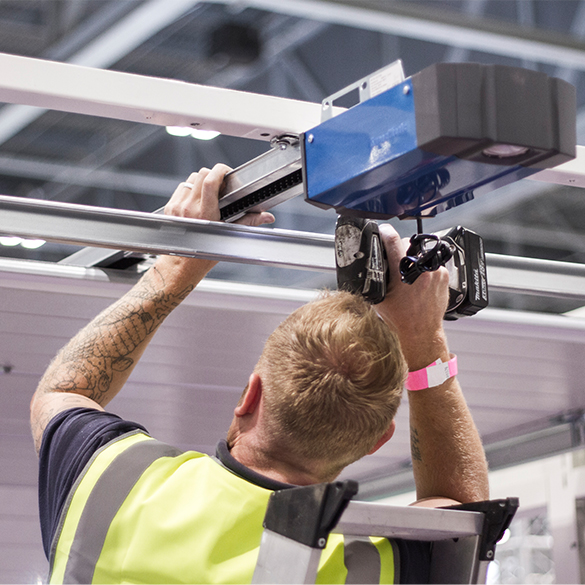
If you're replacing a door that's 15+ years old, the opener is probably about the same age. It's worth replacing at the same time. Modern openers are much quieter (belt-drive), smarter (MyQ, Apple HomeKit, Google Home integration), and safer (rolling code security, battery backup for power outages). Doing it during the same visit means you're not scheduling a second service call in a year.
What a fair install looks like
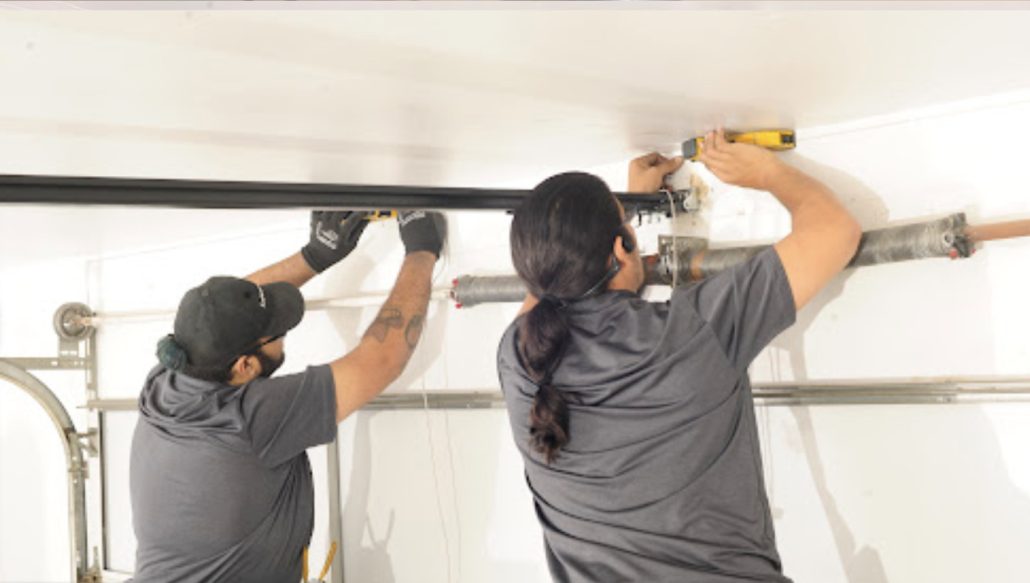
A proper garage door installation includes: measurement of your opening to confirm sizing, removal and disposal of the old door and hardware, new tracks and springs sized specifically to the weight of your new door, professional programming of the opener and remotes, safety sensor alignment, cycle-testing before the technician leaves, and the manufacturer's paperwork for your records. You should never have to hand-write anything or clean up debris after installation day. If one quote leaves out steps the others include, ask why — cutting corners on spring sizing or track alignment is a common shortcut that reduces the door's lifespan.
When to pull the trigger
If your door is older than 15 years, showing rust or dents, uninsulated, or just visibly dated compared to the rest of your neighborhood, replacement is almost always the right call — especially if you're planning to sell within 3–5 years. Our team offers free on-site quotes with mockups so you can see a few style options on your specific house before deciding. And if you'd rather start with just a repair to see how much life is left in the current door, we're happy to give an honest read on that too.
Need Professional Garage Door Help?
Contact Garage Door Nest for a free quote on your next repair or installation.
Get a Free QuoteLooking for garage door repair in your area? Browse our full service directory by city.